From Concept to Completion: The Way Deck Builders Transform Your Ideas Into Reality
Deck construction professionals play a critical role in enhancing outdoor living areas. They begin by understanding client needs and preferences, directing them through available materials and design alternatives. This cooperative strategy confirms that the end result matches the homeowner's goals. As the build moves forward, contractors handle regulatory considerations and preserve clear dialogue. Yet, many may wonder what specific steps are involved in this process and how it impacts the overall outcome.
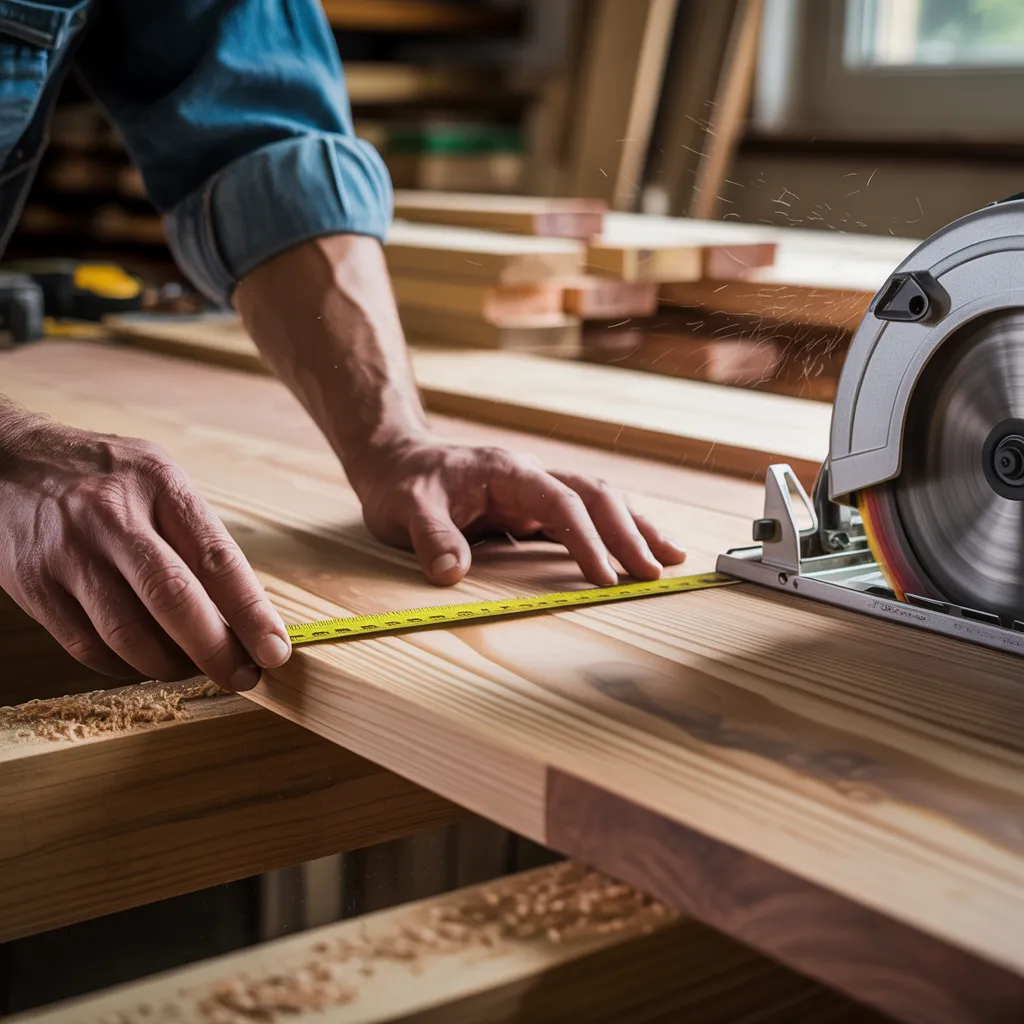
Key Questions to Help You Define Your Perfect Deck
When imagining the perfect deck, what foundational elements should one consider? To begin, one must evaluate their core intention for the deck. Is it designed for entertaining visitors, spending quality time with family, or peacefully enjoying personal time? Understanding the intended use greatly influences the overall design direction.
Subsequently, the ideal measurements and design should be determined. This entails analyzing existing space and how the deck will blend with the existing landscaping and structures.
In addition, one must consider the outdoor space's orientation and exposure to sunlight. This impacts how comfortable the space remains throughout the day and impacts the choice of materials used.
Lastly accessibility is essential; convenient access to the home and its surrounding spaces will improve functionality. By addressing these vital questions, property owners can create a defined vision that builds the foundation for their additional info dream deck, making sure it aligns with their daily living requirements while blending seamlessly with the surrounding landscape.
Selecting Deck Materials for Your Perfect Outdoor Living Space
Picking the ideal materials for a deck can greatly influence both its appearance and durability. Property owners regularly explore various options, including PVC, wood, and composite materials. Natural wood, such as cedar or similar hardwoods, delivers a traditional look and can be painted or stained to suit any style. Nonetheless, it demands consistent care to avoid rot and splintering.
Composite decking materials, made from a mixture of wood fibers and plastic, provide a low-maintenance alternative that resists fading and staining. Their broad selection of colors and textures makes them a popular option for numerous applications.
PVC decking material, constructed completely from plastic materials, delivers superior durability and protection against moisture, promising lasting performance in a range of climates.
Ultimately speaking, the determination of materials should match the homeowner's goals, budget constraints, and maintenance needs, allowing for a custom exterior space that embodies their personal style while enduring through the years.
Designing Your Deck: Working With Professional Experts
Transforming a vision into a stunning deck design typically necessitates collaboration with experienced professionals. Deck builders and designers collaborate directly with their clients to comprehend their tastes, lifestyle, and visual objectives. This partnership kicks off with an introductory consultation, where ideas are exchanged and fundamental requirements are established.
Skilled specialists apply their expertise to propose features, materials, and layouts that complement the client's vision while guaranteeing long-term functionality and durability. They frequently present 3D renderings, enabling customers to see the end result and reach well-informed decisions.
Within the design journey, open communication is essential. Clients are encouraged to express their thoughts and concerns, while experts provide direction and knowledge. This working relationship not only boosts innovative thinking but also simplifies the planning journey, guaranteeing that the completed deck captures the homeowner's personal vision and requirements. At its core, the joint effort fosters a smooth transition from concept to an exquisite outdoor space.
Deck Building Permits: What You Need to Know?
As the design process advances, understanding the regulatory landscape becomes essential for homeowners planning to build a deck. Building permits for decks are frequently necessary to guarantee compliance with local building codes and zoning laws. These permits safeguard the structural integrity and safety of the deck, accounting for elements including height, size, and positioning.
Residents should begin by reaching out to their local building department to ascertain specific requirements. The application process usually entails providing detailed plans, which outline the deck's construction and materials. Additionally, certain regions may necessitate evaluations at multiple phases of construction.
Neglecting to secure the necessary permits can lead to fines, mandatory removal, or delays in the construction process. Homeowners are encouraged to partner with skilled deck construction professionals who understand local regulations, enabling a more seamless transition from concept to execution and sidestepping potential complications associated with permitting.
What You Can Anticipate During the Deck Building Phase
In the deck construction stage, homeowners will experience a methodical process that transforms their vision into reality. To begin, the site will be cleared and leveled to ensure a clean and stable foundation. The deck builders will then lay out the design according to the approved plans, marking key points for posts and beams.
After this step, they will set up the structural foundations, including posts and footings, which provide stability. With the structure securely in place, the deck builders will attach the joists and decking boards, maintaining accurate spacing and proper alignment. Over the course of this process, clients can look forward to ongoing updates and transparent communication from the builders, responding to any questions or concerns.
Safety is of the utmost importance, so contractors will comply with local codes and regulations. Finally, once building is completed, a comprehensive inspection will verify the deck meets all specifications, paving the way for the final enhancements that will elevate the overall appearance.
Post-Build: Vital Deck Upkeep Advice
Following the successful completion of deck construction, homeowners make maintaining its integrity and appearance a top priority. Regular maintenance not only enhances the deck's aesthetic but also extends its lifespan. To begin, homeowners should routinely clean the deck, clearing away debris and dirt to inhibit mold growth. Employing a mild cleaning solution and a soft brush is suggested to protect the surface from damage.
Applying sealant to the deck is vital, above all for timber-based decks. A high-quality sealant protects against moisture, UV rays, and weathering. Homeowners should reapply sealant every one to three years, depending on environmental conditions.
Checking for loose boards, nails, or structural issues ought to be performed each season. Quick repairs can stop more serious damage from occurring. Furthermore, thoughtful furniture arrangement and the application of protective mats can help reduce wear and tear. By following these maintenance tips, homeowners can guarantee their deck remains a beautiful and functional outdoor space for years to come.

Common Questions and Answers
What Is the Average Timeframe for the Entire Deck Building Process?
The complete deck construction process generally requires one to several weeks in total, influenced by factors like design complexity, material availability, and weather conditions. Each project is unique, significantly impacting the overall duration of the project.
Which Deck Design Trends Are Currently Popular?
At present, top aesthetic directions for decks include multi-story layouts, embedded lighting, sustainable materials, and open layouts that merge indoor and outdoor spaces. Natural finishes and rich color palettes are increasingly growing in popularity with residential property owners seeking contemporary design appeal.
Can I Add Features Like Lighting or Seating Later?
Yes, extra elements like lighting or seating can be installed down the line. Deck builders often recommend preparing for upcoming additions during the building process to ensure cohesive inclusion and maintain structural integrity while accommodating evolving design preferences.
In What Ways Do Weather Conditions Impact the Construction Timeline?
Meteorological conditions have a considerable influence on construction timelines. Precipitation, freezing conditions, or severe temperatures may disrupt material shipments, reduce worker efficiency, and impair equipment performance, thereby prolonging the overall project timeline and necessitating thorough planning to address these possible challenges.
What Kinds of Warranties and Guarantees Are Typically Offered by Deck Builders?
Deck construction companies commonly offer warranties that cover workmanship and materials, covering periods of one to ten years. Many builders may additionally provide lifetime warranties on select products, ensuring durability and customer satisfaction across the full duration of the deck's life.