Building Decks in Small Spaces: Innovative Solutions for Urban Homes
Constructing decks in metropolitan areas presents distinct challenges and possibilities. Confined space requires creative design approaches that emphasize both practicality and visual appeal. Property owners frequently look to transform small outdoor areas into inviting retreats. By focusing on elements like multi-purpose furniture and effective privacy solutions, these small decks can evolve beyond a simple continuation of interior spaces. The challenge persists: how does one make the most of these limited areas while preserving comfort and elegance?
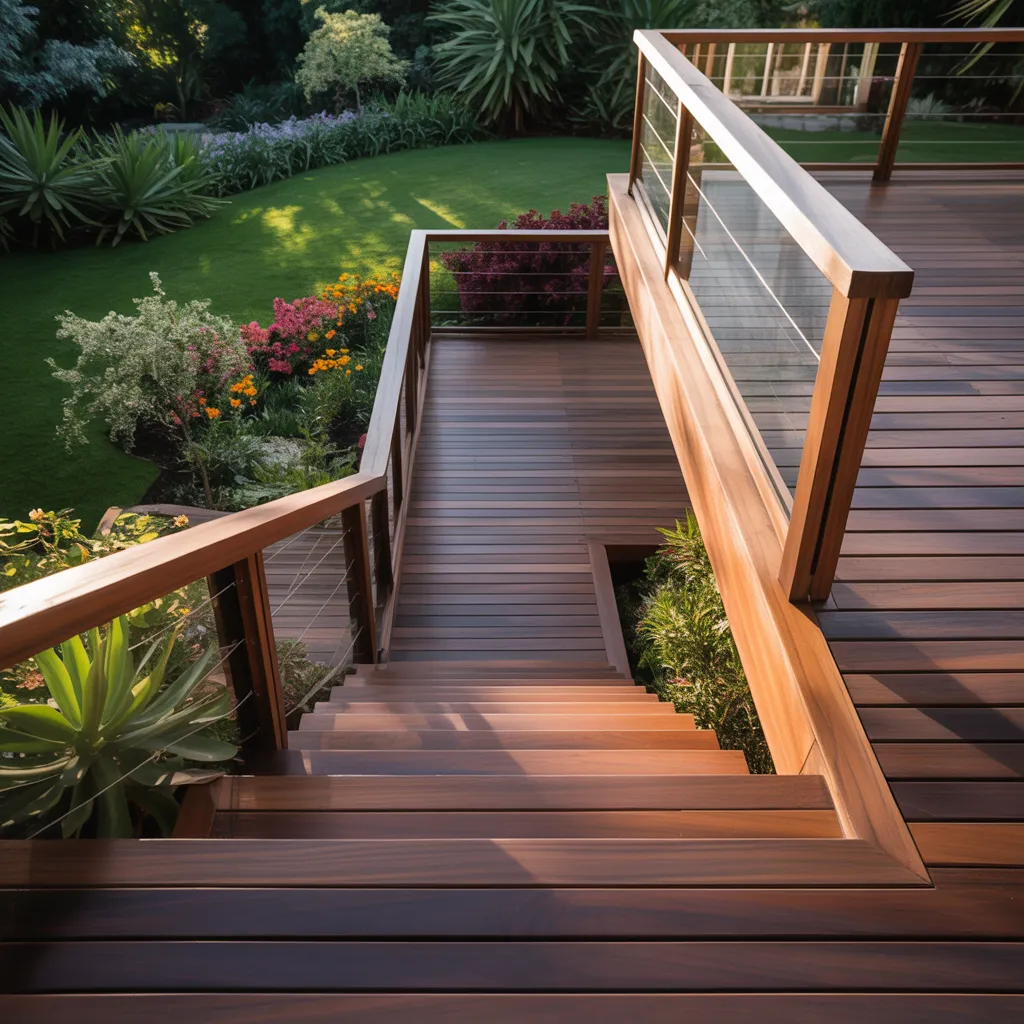
Making the Most of Limited Spaces
Within tight spaces, efficient deck building necessitates creative design approaches that focus on usability. Skilled designers commonly concentrate on versatile design elements to improve overall use. For example, adding permanent seating can reduce the need for bulky furniture, freeing up space for movement. Additionally, incorporating storage options under seating or within side tables enables the tidy storage of outdoor essentials, maintaining a clutter-free environment.
Vertical gardens are also capable of enhancing functionality by introducing greenery without occupying important floor space. Employing railings as planters or hanging containers can turn the deck into a flourishing oasis. Moreover, employing flexible layouts, such as modular furniture, enables quick reconfiguration for varied activities, ranging from relaxed get-togethers to peaceful retreats. Lastly, making the most of vertical space with overhead pergolas or trellises can establish a welcoming atmosphere while offering shade. Combined, these methods confirm that even the tiniest decks continue to be both useful and delightful.
Picking the Ideal Materials for Small Decks
Choosing suitable materials for small decks significantly affects both aesthetics and functionality. In urban environments, where space is at a premium, the selection of materials can improve the general appearance while providing durability. Composite wood decking is a widely preferred option due to its easy care properties and durability against weather conditions, making it perfect for smaller spaces. Wood, particularly pressure-treated varieties or naturally rot-resistant species like cedar, delivers an inviting and traditional aesthetic but demands ongoing care.
Furthermore, materials like aluminum or vinyl offer significant advantages, decreasing the burden on the structure and permitting flexible design choices. Regarding the aesthetic aspects, color and texture play vital roles; lighter tones can produce a sense of spaciousness, while textured surfaces enhance grip and safety. Ultimately, the right combination of materials will not only beautify a small deck but also make certain that it remains functional and resilient in an urban setting.
Intelligent Design Ideas for Compact Decks
Even though making the most of compact decks can prove difficult, thoughtful design approaches can convert these limited areas into welcoming getaways. One effective approach involves creating distinct zones within the limited area. To illustrate, a petite dining setup can be situated close to the railing, preserving the central space for easy movement. Integrating fixed benches or storage units can additionally expand seating possibilities without overwhelming the available space.
Another clever approach is to incorporate versatile furniture pieces, such as stools that function as planters or tables with storage compartments. This maximizes space and enhances visual appeal. Vertical garden features, like mounted planters, can bring in natural greenery without consuming floor space. Furthermore, adopting a rounded or asymmetrical arrangement can soften the overall appearance, giving the deck a more spacious feel. Through careful placement of design elements, even the tiniest deck can become a cozy sanctuary, ideal for relaxation and entertaining.
Ways to Create Privacy on Your Small Deck
Creating privacy on a small deck can be achieved through several effective methods. One popular approach is the use of vertical planters filled with tall, leafy plants. Such planters can establish a natural screen while simultaneously boosting the deck's overall aesthetic. An additional choice is the installation of outdoor curtains or bamboo screens, which can be pulled shut to eliminate sightlines from nearby neighbors. Additionally, trellises adorned with climbing vines can offer both privacy and a touch of greenery.
Carefully arranged outdoor furniture, like a sectional sofa or a elevated bar table, can also help to establish distinct zones and create a sense of enclosure. For those seeking a longer-lasting option, placing a privacy wall or trellis can create a firm divider while permitting air circulation and natural light. Ultimately, integrating these features can convert a modest deck into a cozy hideaway, creating an appealing area for rest and socializing.
Space-Saving Furniture for Small Decks
When designing limited deck spaces, multipurpose furniture proves essential for optimizing utility. Space-saving seating solutions deliver comfort while preserving valuable square footage, and flexible storage solutions help keep the area organized. This approach not only improves functionality but also creates a welcoming outdoor atmosphere.
Compact Seating Solutions
Compact decks present unique challenges, particularly when it comes to seating options. To optimize constrained outdoor spaces, metropolitan homeowners can look into multipurpose furniture that fulfills two functions. As an example, benches with built-in storage can provide both seating and a place to stow outdoor essentials. Foldable chairs and retractable tables provide adaptability, enabling residents to free up space whenever necessary. Stackable stools can be stored effortlessly, hosting more guests without cluttering similar resource the outdoor area. Moreover, built-in seating around the perimeter of the deck can utilize vertical space efficiently. By incorporating these space-saving seating solutions, residents can transform their compact outdoor areas into functional and inviting retreats, enabling rest and social interaction in city settings.
Diverse Storage Alternatives
Although limited space poses challenges, adaptable storage choices can boost the practicality of small outdoor spaces. Multifunctional pieces, including benches with hidden storage compartments or ottomans that function as storage containers, offers functional options for city residents. These pieces not only serve their primary purpose but also help keep outdoor areas organized and clutter-free. Additionally, wall-mounted shelves or vertical planters can maximize vertical space, permitting ornamental objects or gardening essentials to be housed effectively. Foldable tables can be put away during idle periods, reclaiming useful space. These creative solutions allow property owners to establish welcoming outdoor settings without giving up necessary storage, making compact decks more livable and enjoyable.
Imaginative Lighting Designs for Small Decks
What are the best ways to brighten a compact deck while boosting its appeal? Thoughtful lighting choices can turn a modest outdoor space into a welcoming haven. String lights are a popular choice, adding a warm, inviting glow without overwhelming the area. These lights can be arranged along railings or hung overhead to establish a magical canopy effect.
Solar-powered lanterns deliver eco-friendly options that demand no wiring installation, making them perfect for urban settings. Placing them strategically around the outdoor space can define spaces and highlight features.
Additionally, wall sconces or recessed fixtures can conserve floor space while providing task lighting for nighttime gatherings. Cordless LED candles can create ambiance without the risk of fire.
Incorporating these lighting options not only enhances safety but also showcases the deck's design, turning it into an inviting area for leisure or social gatherings, even in a compact space.
Upkeep Advice for Small Urban Decks
Maintaining a small urban deck can be manageable with a few important practices. Consistent cleaning is vital; a simple sweep followed by a wash with gentle soap and water can stop dirt from accumulating. It's advisable to inspect the deck periodically for indications of damage, such as loose boards or rusted fasteners, tackling these problems quickly to steer clear of costly fixes.
Applying a weather-resistant sealant yearly will enhance durability against the elements. In addition, keeping outdoor plants and furniture neatly arranged can prevent overcrowding, allowing for better airflow and sunlight exposure, which discourages the growth of mold.
Homeowners with wooden decks, sanding rough spots and re-staining as needed can extend the deck's life and preserve its appearance. Additionally, it is worth considering using furniture covers during inclement weather to protect assets. By adhering to these guidelines, urban homeowners can enjoy their small decks while guaranteeing lasting durability and visual charm.

Common Questions and Answers
What Are the Top Plants for Small Deck Gardens?
For compact deck gardens, herbs, succulents, and dwarf varieties of flowers or shrubs are perfect choices. These choices maximize space while providing aesthetic appeal and functionality, resulting in a lively and inviting outdoor setting.
How Do I Handle Deck Drainage Concerns?
To address deck drainage issues, one should maintain proper slope, add proper drainage channels, and think about water-permeable decking materials. Routine upkeep, like clearing debris from gutters and downspouts, will also help prevent standing water on the deck.
Am I Able to Install a Small Deck on a Balcony?
Yes, a minor deck can be installed on a balcony, provided it satisfies load limitations and regional construction regulations. Proper consideration and building materials are necessary to secure structural integrity and usability in such restricted environments.
What Is the Average Price of Building a Small Deck?
The standard cost of installing a small deck falls between $15 and $35 per square foot, influenced by materials, design requirements, and local labor pricing. Other variables may affect total costs and project requirements.
What Are the Best Ways to Ensure Safety on a Small Deck?
To guarantee safety on a limited-space deck, one should employ durable materials, regularly inspect for deterioration, maintain adequate railings, confirm proper weight distribution, and follow local building codes to avoid mishaps and maximize usability.